Sign In
 Free Newsletter

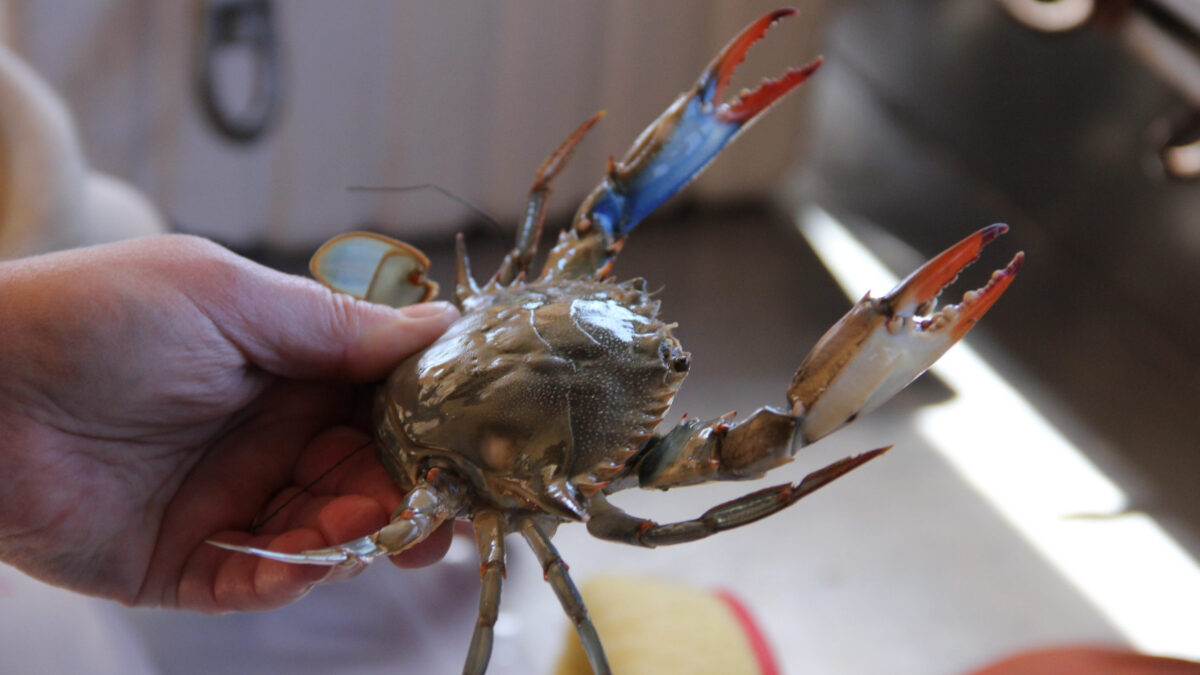
The winter crab dredge survey in Virginia from March 2023. (USA TODAY Network via Reuters Connect)
Blue crabs show ‘promising bump’ in Chesapeake Bay, but vigilance urged


Blue crab populations in Maryland and Virginia are seeing a significant increase.
The Chesapeake Bay Blue Crab Winter Dredge Survey, a cooperative effort between the Maryland Department of Natural Resources and the Virginia Institute of Marine Science, estimates a total of 349 million blue crabs in the Chesapeake Bay in 2026.
This is a 46% increase over the estimate of 238 million crabs last year, which was the second lowest number ever recorded. However, while optimistic, this is also slightly lower than the long-term average of 400 million crabs.
The Winter Dredge Survey has been conducted cooperatively by Maryland and Virginia since 1990. The survey results are reviewed annually.
“It’s very encouraging to see higher levels of blue crabs and juveniles, especially after a few years of lower juvenile recruitment,” said Mandy Bromilow, DNR’s blue crab program manager. “However, we’ll still have to remain vigilant about the population, given that we have seen declines since 2011.”
The DNR now reports an estimated 228 million juvenile blue crabs, an increase of 121% from last year, as well as an estimated 37 million adult male blue crabs in the bay, or 43% higher than last year.
Adult female crabs have continued their decline by 25% and remain well below average at 81 million crabs.
Chesapeake Bay Foundation Virginia Executive Director Chris Moore issued the following statement:
“Despite a concerning long-term trend, this year’s winter dredge survey results fortunately show a promising bump in the number of both juvenile and male blue crabs. This could be a preview for bountiful crabbing businesses and crab feasts this summer.
“However, the Bay’s important adult female crabs experienced another year of decline. And there’s still immense uncertainty surrounding the health of blue crabs in the Chesapeake Bay.
“To support a strong blue crab population, the focus needs to remain on three fronts: preventing pollution, restoring important blue crab habitats such as underwater grasses and oyster reefs, and tackling the growing threat of blue catfish.
“We will work with fisheries managers and jurisdictions around the region to chart a brighter course for the Bay’s most iconic species, as called for in the latest update to the Chesapeake Bay Agreement. The results of this year’s winter dredge survey, along with the soon-to-be-released blue crab stock assessment, will be key.”
Reporting by Olivia Minzola, Salisbury Daily Times / USA TODAY Network via Reuters Connect.