Sign In
 Free Newsletter

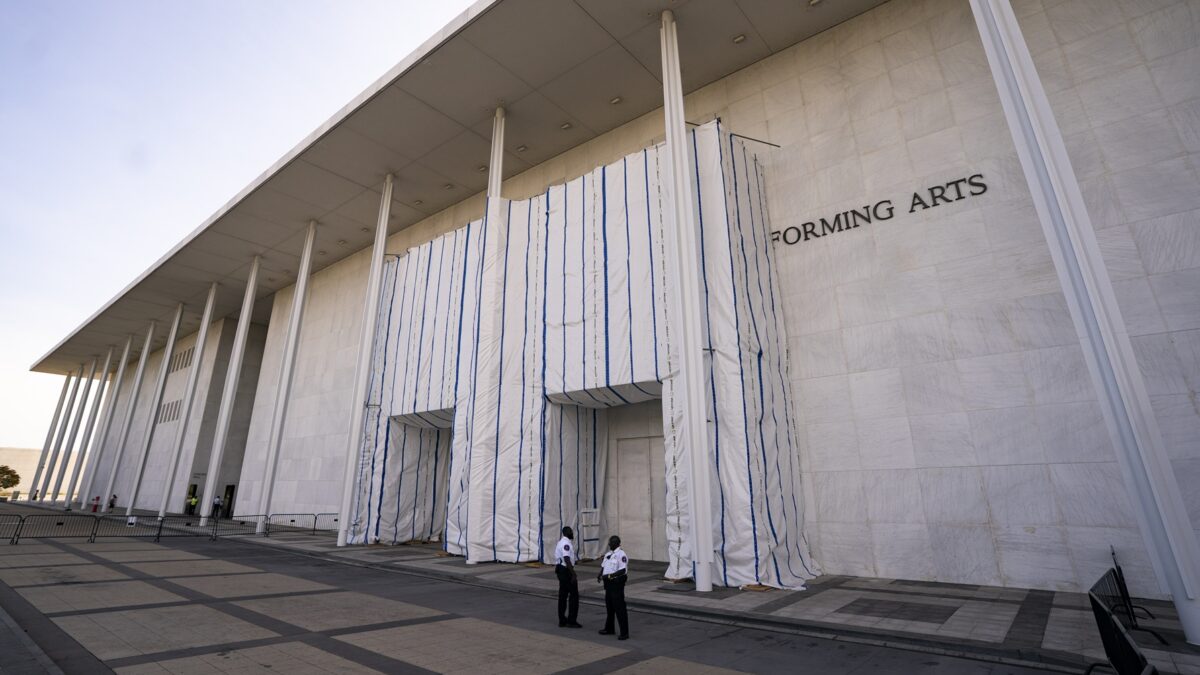
Scaffolding and tarps outside the Kennedy Center in Washington in June. (Al Drago/For The Washington Post)
Kennedy Center must pay over $250,000 to artist who opposed Trump name change


A judge has ordered the Kennedy Center to pay more than $250,000 to a jazz musician who pulled out of a performance after the venue’s board voted to rename the building for President Donald Trump.
D.C. Superior Court Judge Tanya Jones Bosier on Monday ordered the center to pay $252,000 in legal fees and costs to lawyers for Chuck Redd, who for years had played at the center’s annual Christmas Eve concert.
Lisa Banks, one of Redd’s lawyers, called the amount “appropriate as no citizen should have to spend time and money fending off baseless and politically motivated lawsuits filed by the Trump Administration.”
Last year, Redd had been in talks with the venue’s staff to perform but declined to sign a contract. He told the center he chose to bow out because of “the defiant and illegal name change happening to the Kennedy Center.”
The Kennedy Center sued in March, alleging Redd had breached his contract by withdrawing from the concert. But in June, Jones Bosier tossed the lawsuit, determining that center officials failed to show they had made a legally binding agreement with him.
Earl “Trey” Mayfield III, a lawyer representing the center who served in the first Trump administration, had described the amount as excessive, calling it “abusive” and “nothing short of astonishing” in a court filing submitted last month.
The Kennedy Center plans to appeal the ruling, a spokesman said in an email.
Jonathan Edwards is an arts and government reporter covering how the Trump administration is influencing cultural institutions — including the Kennedy Center, the Smithsonian museums, the Library of Congress and the National Endowments for the Arts and Humanities — and how those shifts ripple through the arts, public life and national identity.