Sign In
 Free Newsletter

Md. lawmakers urge changes to state’s unemployment system


 Listen to this article
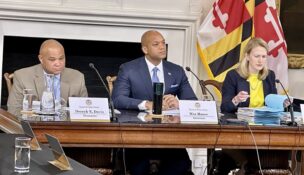
Democrats in the Maryland House and Senate said out-of-work residents who are still waiting — in some cases since the spring — to receive unemployment benefits have highlighted a need for “a new vision” for the state program.
Over the last year, legislators say, they’ve been inundated with calls and emails from constituents who are in “adjudication purgatory” for months waiting to receive their first checks. Others struggle to get calls returned or even get access to their money once they are paid.
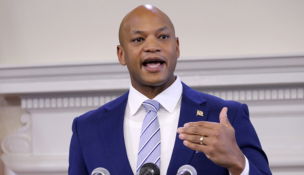
“The challenge is not the individuals that are doing this work,” said Senate President Bill Ferguson, referring to state employees. “The challenge is the system.”
Ferguson described an unemployment system in crisis exacerbated by an ongoing pandemic. As of Thursday, there were 4,000 active cases that House and Senate staffers were “case-working” individual claims with Department of Labor, according to the Senate leader.
“We have constituents who have been unable to get answers, who have waited in, as Senator (Kathy) Klausmeier says ‘adjudication purgatory,'” said Ferguson. “Constituents who have lost their homes, gone hungry, seen their health slide and worse because the state has not been able to live up to its end of the bargain.”
Ferguson read aloud from one email he said was from a single mother from his district who said she was down to her “last $30” to support her two children and pleaded for help.
“These are people who need help and we must do right by them,” said Ferguson.
The package of six bills, which were not available and could be introduced as early as Friday morning, are an attempt to focus attention on what House and Senate Democrats said is a serious problem brought to light by the coronavirus pandemic.
“Maryland’s unemployment process is in need of a significant reform,” said Sen. Kathy Klausmeier, D-Baltimore County and Senate chair of the Joint Committee on Unemployment Insurance Oversight. “I think what happened was the pandemic woke a sleeping giant and all of a sudden the giant has taken over.”
The House and Senate bills will touch on a number of short- and long-term reforms, including:
- Allowing benefits to be paid by direct deposit or paper check in addition to the debit cards being provided currently through Bank of America, a process that has caused delays in accessing payments.
- Requiring the Department of Labor to develop a plan for emergencies such as the pandemic. That plan would cut red tape to allow the agency to beef up staffing faster; the plan would have to be updated every five years.
- Providing a one-stop access to both unemployment benefits and the state Health Benefit Exchange.
- Requiring the department to track the number of workers who apply for benefits and establish mandated goals for completing the adjudication process.
- Increasing the amount of money that a laid-off worker could earn in so-called gig economy jobs and still collect unemployment benefits.
“It shouldn’t take the members of the Maryland General Assembly, our intervention, for the system to work,” said Dereck Davis, D-Prince George’s and chair of the House Economic Matters Committee.
Hogan has said several times during the last year that some of these workers, who make up less than 5% of all claims filed, may never be paid.
Maryland is one four states that are mitigation states, a process that requires the Department of Labor to examine whether a worker quit for good cause, was laid off or fired rather than a straight-up-or-down determination of eligibility.
“Maryland has one of the strongest unemployment systems in the country, consistently resolving more than 95 percent of claims throughout the pandemic and aggressively blocking fraud at every turn,” said Michael Ricci, a Hogan spokesman. “The only part of the system that doesn’t work is the part the legislature broke years ago when they wrote the problem into state law, which leaves claimants vulnerable to being stuck in a complicated adjudication process.”
Ricci said the mitigation process causes unnecessary delays.
“What is being proposed today is a Band-aid and not even close to a real and permanent fix,” said Ricci. “It falls so far short of what people need right now. It does not address the root problem of having a system that operates completely differently in resolving cases from 46 other states. That may be how legislators want it, but they are needlessly keeping far too many people trapped in limbo.”
Reforming the state’s unemployment system rose to a priority status after countless reports and complaints from laid off workers highlighted failures in the department.
The Senate has already amended the governor’s pandemic aid legislation to include a direct payment of $1,000 to about 40,000 unemployed Maryland workers still waiting for a resolution to their claims.
Over the summer, lawmakers hosted a 10-hour hearing in which workers highlighted individual struggles to get the agency to complete their claims or just to get a call back.
“We’ve seen the dysfunction up close,” said House Speaker Adrienne Jones. “We’re going to help unemployed Marylanders right away and chart a new vision for our (unemployment insurance) system so we’re prepared for future challenges.”