Sign In
 Free Newsletter

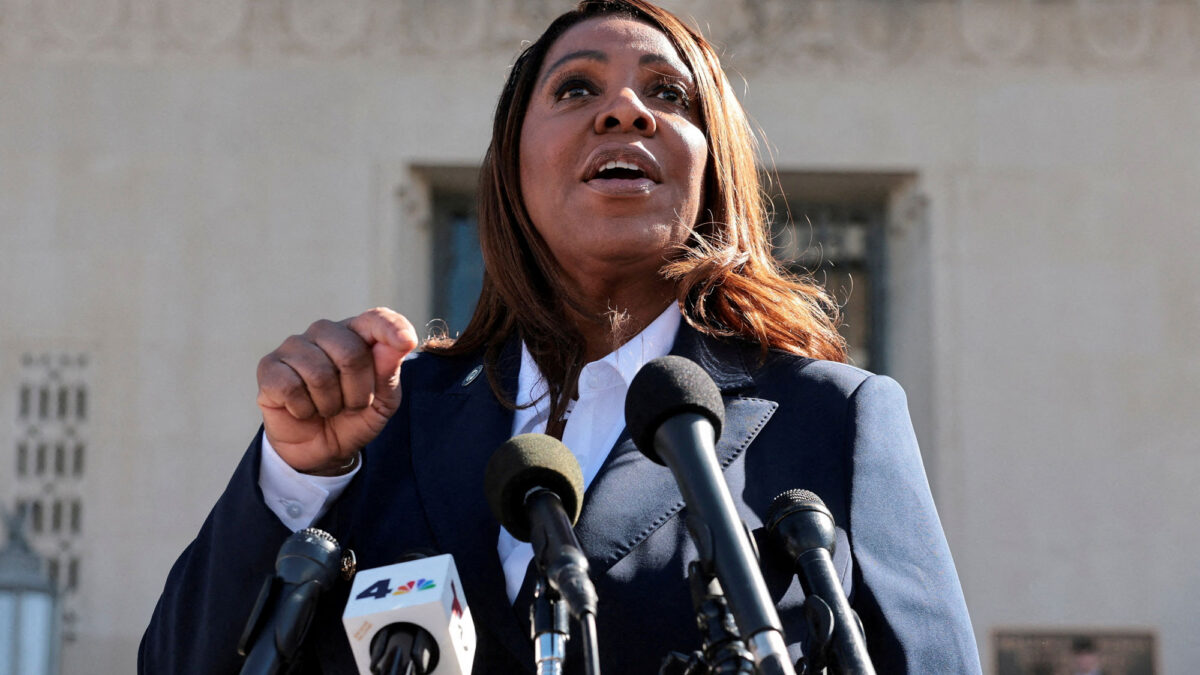
New York Attorney General Letitia James speaks to the media in Norfolk, Virginia, October 24, 2025. (REUTERS/Jonathan Ernst/File Photo)
Zelle must face New York attorney general’s lawsuit over fraud, judge rules


NEW YORK – A judge rejected Zelle’s bid to dismiss a lawsuit by New York Attorney General Letitia James, who said the electronic payment platform’s refusal to adopt critical safety features enabled fraudsters to steal more than $1 billion from consumers.
In a decision late Monday, Justice Phaedra Perry-Bond of a New York state court in Manhattan said James sufficiently alleged that Zelle’s parent Early Warning Services “prioritized accessibility, convenience, consumer adoption, and market dominance at the expense of consumer safety” in rushing the platform to market, despite objections from its banking partners.
Early Warning Services is owned by seven large U.S. banks: Bank of America, Capital One, JPMorgan Chase, PNC, Truist, US Bank and Wells Fargo.
Perry-Bond said Zelle also conceded it is still collecting and retaining fees from fraudulent transactions, raising the question of whether it implicitly or expressly approved what the fraudsters were doing.
James also objected to how Zelle was marketed to consumers, including claims that the platform offered “peace-of-mind” and that Zelle was “backed by the banks, so you know it’s secure.”
Zelle intends to appeal.
“Reports of fraud and scams committed by bad actors against Zelle users have always been exceptionally low,” spokesperson Eric Blankenbaker said. “The attorney general is targeting our company for political gain by recycling claims that courts across the country have rejected as meritless. The attorney general’s claims are not supported by either the facts or the law.”
The attorney general’s office was not immediately available for comment.
CFPB backed away
In seeking a dismissal, Zelle had argued it was not misleading to advertise the platform as safe and secure, and there was no liability for what it called “passive nonfeasance” in allegedly creating an atmosphere conducive to fraud.
Zelle was launched in 2017, and competes with apps such as PayPal’s Venmo and Block’s Cash App.
James said typical scams involved hacking into users’ accounts and making unauthorized transfers, convincing users to send money for nonexistent goods and services, and impersonating banks, government offices and utilities.
She said it wasn’t until 2023, after the U.S. Consumer Financial Protection Bureau and several members of Congress began probes, that Zelle adopted “basic” safeguards it had proposed four years earlier.
James sued after the CFPB dropped a similar case in March 2025. That agency ended most enforcement activity soon after U.S. President Donald Trump began his second White House term.
(Reporting for Reuters by Jonathan Stempel in New YorkEditing by Nick Zieminski).