Sign In
 Free Newsletter

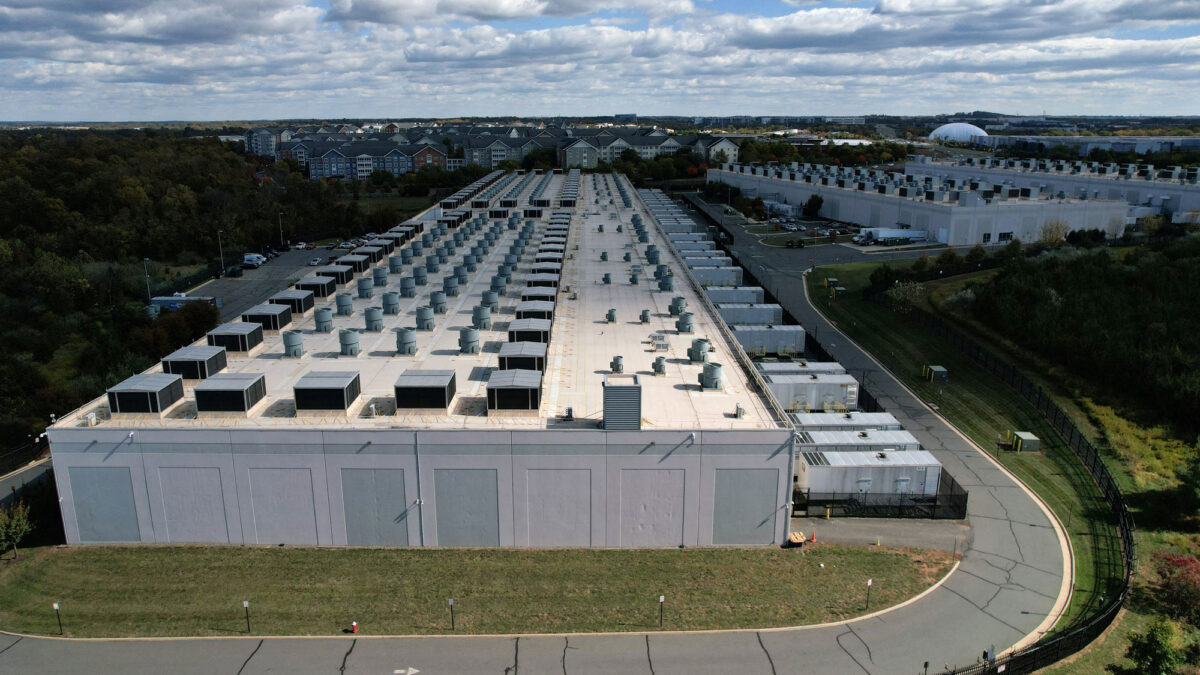
An aerial view of an Amazon Web Services Data Center known as US East 1 in Ashburn, Virginia, October 20, 2025. (REUTERS/Jonathan Ernst/File Photo)
Frederick County data center referendum case goes to MD Supreme Court


 Listen to this article
The Maryland Supreme Court agreed Monday to hear a case on a proposed Frederick County ballot referendum to limit the expansion of data centers.
The state’s high court agreed to hear a direct appeal after the Frederick County Circuit Court last week blocked the referendum from appearing on the ballot. It scheduled a hearing for 10 a.m. June 30 — the day before the deadline for ballot language to be submitted to the Maryland State Board of Elections for the November election.
In January, the Frederick County Council increased the size of a data center campus by about 1,000 acres, from roughly 1,600 to 2,600, cutting into previously protected rural and agricultural land.
A local group collected more than 21,000 signatures, arguing the decision about whether to expand data centers — which are crucial infrastructure for artificial intelligence — should be left to voters. The Data Center Referendum Committee argues expanded data centers would increase utility costs, harm the environment, strain the water supply and require the construction of new transmission lines.
After the Frederick County Board of Elections approved the ballot question, a group of companies that own property on the data center campus north of Adamstown sued to keep it off the ballot. Last week, they won, as a judge found the elections board was wrong to certify the question.
Senior Judge James Bonifant, who was specially assigned, ruled Thursday that the zoning ordinance was not subject to ballot referendums. He also ruled that the ballot question was improper because the maps were unclear, and it did not include the full text of the ordinance being challenged.
“The Court finds the Referendum Committee’s failure to include the colorized maps in its petition to be fatal to its attempts to bring Ordinance 26-01-001 to referendum,” Bonifant wrote in a written opinion that followed his ruling from the bench.
“Voters cannot exercise ‘intelligent and enlightened judgment’ of zoning maps if the maps they review are not a ‘full and accurate’ representation of the land subject to the zoning ordinance.”
The referendum committee’s opening appeal brief in the Maryland Supreme Court was due Tuesday at noon; the respondents are due to respond by Friday.