Sign In
 Free Newsletter

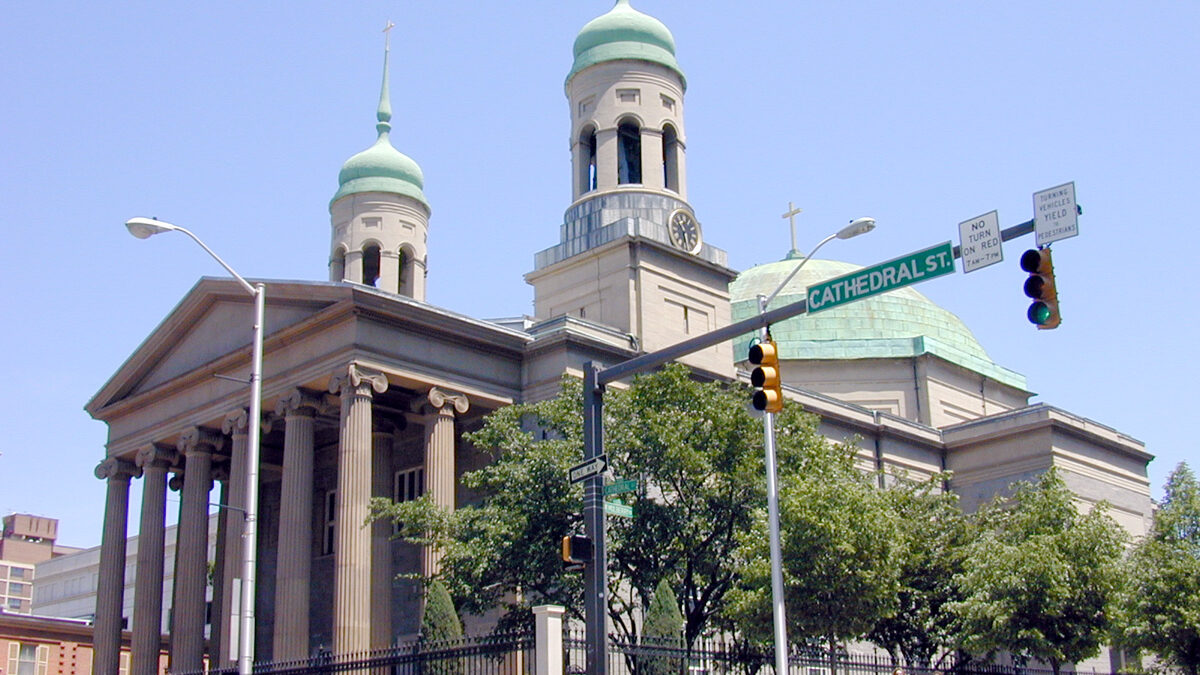
File photo of The Basilica of the Assumption on Cathedral St. in Baltimore. (Maximilian Franz/The Daily Record file photo)
Judge rejects settlement plans by both Baltimore Archdiocese, abuse survivors


Key takeaways:
- U.S. Bankruptcy Judge Michelle Harner rejects both settlement plans
- Archdiocese plan fails to disclose all assets, deemed not in good faith, she says
- Sex abuse survivors’ plan unlawfully forces affiliates to pay into settlement, according to Harner
A federal bankruptcy judge rejected on Tuesday both of the competing settlement plans proposed by the Archdiocese of Baltimore and the survivors of child sexual abuse, calling both plans “patently unconfirmable.”
U.S. Bankruptcy Judge Michelle Harner wrote in the order that the church’s plan fails to disclose all its assets and that the survivors’ unlawfully forces schools and other affiliates to pay into the settlement. Both proposals, she wrote, are overly complicated, “internally inconsistent” and filled with “legalese.”
“Any creditor reading either disclosure statement likely would walk away unsure of how the plans work or the extent of their rights and remedies thereunder,” Harner wrote. “Creditors should not need lawyers or translators to read a disclosure statement or understand a proposed plan of reorganization.”
The ruling is a major setback in the case, which has lasted nearly three years.
The archdiocese and the committee representing survivors have met for weekly negotiations at least since June, with no visible progress. With both plans rejected, confirmation hearings scheduled for September will not move forward.
“The Archdiocese is looking to address the Court’s concerns so we can continue to move the Chapter 11 process forward,” archdiocese spokesperson Christian Kendzierski stated in an email. “We remain committed to a resolution and will continue to work with all parties involved toward the goal of providing equitable compensation to survivors while maintaining the Church’s ability to carry out its ministries and service to the community.”
Ed Caldie, a partner at Stinson in Minneapolis who represents the survivors’ committee, considered the ruling a “victory” and did not comment on Harner’s rejection of the survivors’ plan.
“This ruling is a clear victory for survivors and a step in the direction of a fair resolution if the church reads it honestly,” Caldie wrote in a statement. “The judge’s order makes clear that the archdiocese’s insurance trusts are available to survivors — and there are still other disputed assets the archdiocese refuses to acknowledge.”
“The judge saw through the archdiocese’s approach and rejected it,” Caldie said. “You can’t shield assets from abuse survivors, structure plan voting to guarantee a favorable outcome, and call that a good faith deal.”
In April, the committee proposed a plan that would have the archdiocese and its affiliates pay more than $441 million. The archdiocese proposed in May to pay $44 million of its own money, with affiliates voluntarily participating and contributing a to-be-determined amount.
Two insurance companies have agreed to pay a total of $125 million into the settlement. The bankruptcy trustee, an independent figure responsible for oversight of the debtor’s estate, said the committee’s plan could not be confirmed because it forces the affiliates to pay.
Harner wrote that the church failed to disclose all its assets and that its proposal places survivors into different categories based on their claims. She wrote that she had “significant concerns” that the plan “is not being proposed in good faith, may violate several sections of the (Bankruptcy) Code, and may result in unfair distributions in violation of the absolute priority rule.”
The survivors’ committee has attempted to consolidate the church and its affiliates, which have been immune from civil lawsuits as part of the bankruptcy, as a single entity for the eventual settlement. Harner ruled earlier this year that they are independent from the archdiocese, notwithstanding the many ties between them.
“Any proposed plan must focus on the Debtor and property of the Debtor’s estate,” she wrote. “A plan that relies on nondebtor participation without the necessary consent or commitment from those parties is speculative, uncertain, and potentially misleading to creditors.”
The rejection of both plans means Harner’s next task is to consider whether to allow a handful of survivors to file civil lawsuits against the archdiocese. The survivors’ committee hopes that the threat of “nuclear” jury verdicts forces the church to settle.
In June, Harner rejected that request — temporarily — writing that if a plan couldn’t be confirmed by September, she might allow those lawsuits.
Jonathan Schochor, of Schochor, Staton, Goldberg & Cardea in Baltimore, who represents a member of the survivors’ committee, said in an interview that without the affiliates’ participation, “it will never settle.”
He predicted a “bloodbath” if Harner allows civil lawsuits.
“We are going after them,” he said.