Sign In
 Free Newsletter

Agents hope solid Md. real estate sales weather virus pressures


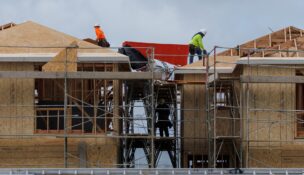
The housing market in Maryland’s major metro jurisdictions turned in a solid performance last month, which usually bodes well for the spring season crucial to residential real estate.
Those solid sales figures, however, represent a snapshot of the market before concerns about the new coronavirus, combined with struggles in the oil sector, pushed the national economy toward recession. Now, local real estate professionals said they’re taking a wait-and-see approach regarding the tumult’s impact on home sales.
“I think it’s too early to say. House hunting isn’t generally a group activity,” Joseph T. “Jody” Landers, of Berkshire Hathaway|PenFed Realty HomeServices, said.
An analysis of data culled from reports by MarketStats by ShowtingTime from Bright MLS, show the median home prices in Maryland’s eight major metro jurisdictions continued their climb over the last 36 months.
The median home price in those seven counties and one city reached $328,000. That’s up more than 11% from the median price in February of 2019, and up roughly 14% from February 2018.
Last month the median number of homes sold in those jurisdictions increased to slightly more than 548 properties. That’s an increase of 13% from February 2019, which was hampered by winter storms, and less than 1% higher than February 2018.
“The market we’re heading into right now has been very solid,” said Mario Valone, of Berkshire Hathaway HomeServices Homesale Realty | Harbor East.
Agents are expecting more online shopping by house hunters because of the COVID-19 outbreak. As a result, real estate agents said they’re adapting and hope to use technology to their advantage.
Stuart Schmidt, an owner of Schmidt Home Consultants with Keller Williams Flagship of Maryland, plans to use platforms like Facebook Live, Instagram stories, and his YouTube channel because they allow him to show properties and answer questions from potential buyers while showing a home.
“I believe from what I’m seeing on the ground level … that sellers still need to sell and buyers need to buy,” Schmidt said.
Agents expect the biggest change to the housing market as a result of the COVID-19 pandemic, and associated macro-economic challenges, will be to the timetable of the spring market. But there’s no consensus on how the time frame changes.
Valone said he still expects a fairly robust market but that it may just arrive a little later this year.
“Much like the Major League Baseball season, I expect it to be delayed not canceled,” he said.
On the other hand, Schmidt said clients have told him they’re opting to stay home and take care of improvement projects. As a result their homes will be ready to go on the market sooner than anticipated.
“We’re on the optimistic side,” he said.
Anxiety about coronavirus has increased “tenfold” in recent days, Landers said, and the uncertainty caused by declines in the stock market will impact the housing market. Residential real estate, however, still has one thing in its favor.
“What really impacts the housing market is interest rates,” he said.
For now real estate professionals said they’ll have to wait and see how the health emergency plays out. That means looking forward to April, which traditionally brings the highest level of pending sales, and the first post-pandemic jobs report to gauge the amount of economic damage and potential consequences for home sales.
Even then, because the housing market can vary drastically from submarket to submarket, and in place like Baltimore from street to street, it may be hard to say the region’s housing market is struggling or thriving.
“It’s hard to paint a (picture) with a broad brush of the housing market overall,” Landers said.