Sign In
 Free Newsletter

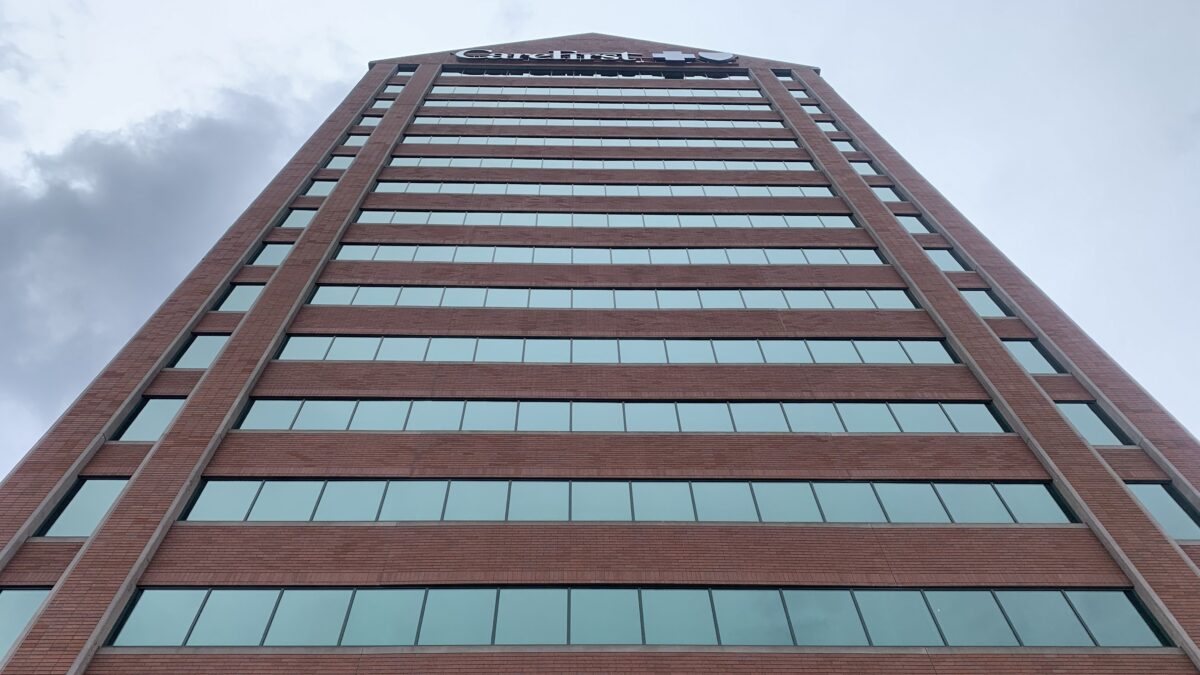
Health insurance provider CareFirst BlueCross BlueShield is headquartered at 1501 S. Clinton St. in Southeast Baltimore. (Dan Belson/The Daily Record)
UnitedHealth, CareFirst allowed midyear rate increases in MD but less than requested


 Listen to this article
The Maryland Insurance Administration approved midyear rate increases for CareFirst BlueCross BlueShield and UnitedHealthcare in the state’s small-group market.
The increases were signed off on due to a “significant increase in in-patient hospitalizations and in-patient and out-patient surgeries,” the regulatory body said in a Friday news release.
UnitedHealthcare’s approved rate increases for mid-2026 have been adjusted by 1.5% effective Oct. 1. For CareFirst BlueCross BlueShield, the insurance administration approved an 8.2% increase for the third quarter of 2026 and an average annual rate increase of 8.6% for the year’s fourth quarter.
But the increases are not as high as what the insurers requested.
In May, the insurance administration held a virtual rate hearing on requests for rate changes from UnitedHealthcare in the small-group market, which refers to small businesses. The proposal sought to enact an average year-over-year rate increase of 17.6% on Oct. 1 for 26,199 people.
During the hearing, Daniel Akier, an actuary for UnitedHealthcare, said the proposed increase was based on “updated experience” from the fourth fiscal quarter of 2024 through the third quarter of 2025.
In April, CareFirst BlueCross BlueShield requested an average year-over-year base rate increase of 10.3% to its small-group, single-risk pool for the third fiscal quarter of 2026 for approximately 143,549 people.
Peter Berry, the chief actuary and senior vice president of actuarial underwriting at CareFirst BlueCross BlueShield, said at the time that the approved increase filing approved in the late summer of 2025 had used data from the 2024 base period, but by August and September, “we could see that we had started to see upward pressure on medical trends in 2025.”
“… [T]he total reason for our refiling is medical trends,” Berry said. “They continued to increase through the rest of ’25 to levels we haven’t seen in 15 years.”
“It’s not unique to CareFirst,” he continued. “We are aware that other carriers in Maryland are also filing for significant increases with similar trends.”
Berry did acknowledge that the company was requesting “a significant rate increase” for the third quarter of 2026.
In an interview with The Daily Record, Gene Ransom, the CEO of the Maryland State Medical Society, or MedChi, said that “mid-year rate increases are not justified” — particularly for CareFirst BlueCross BlueShield.
“We have physicians who have not been paid by CareFirst for six or seven months — the place is just a mess,” Ransom said. “When you look at the CareFirst reserves, I don’t know how this is justified, and we totally disagree with the decision.”
The company didn’t respond to a request for comment.
Dr. Eric Wargotz, president of the medical society, wrote in a May 12 letter to Maryland Insurance Commissioner Marie Grant that UnitedHealthcare reported earnings “well above expectations” for the first quarter of 2026, prompting the company to increase its adjusted earnings outlook from $17.75 per share to $18.25. Revenue in the first quarter also exceeded the company’s expectations, he wrote, increasing from the anticipated $109.57 billion to $111.72 billion.
UnitedHealthcare wrote in a statement to The Daily Record: “Our requested rates reflect significant year-over-year increases in medical costs, driven by higher hospital prices, increased utilization, and rising specialty drug costs. We remain committed to working with state regulators to ensure rates are fair, reflect the true cost of care, and maintain market stability.”
The insurance administration is required to consider midyear Affordable Care Act rate adjustments by carriers serving small businesses based on changes in the market, according to Grant in a Friday statement.
But small group rates are allowed to change on a quarterly basis.
“Our team carefully analyzed the requests and determined that some level of rate changes were justified based on significantly higher than expected claims and health care costs,” Grant said, acknowledging that the approvals were less than the insurers desired.
This story has been updated with UnitedHealthcare’s statement.