Sign In
 Free Newsletter

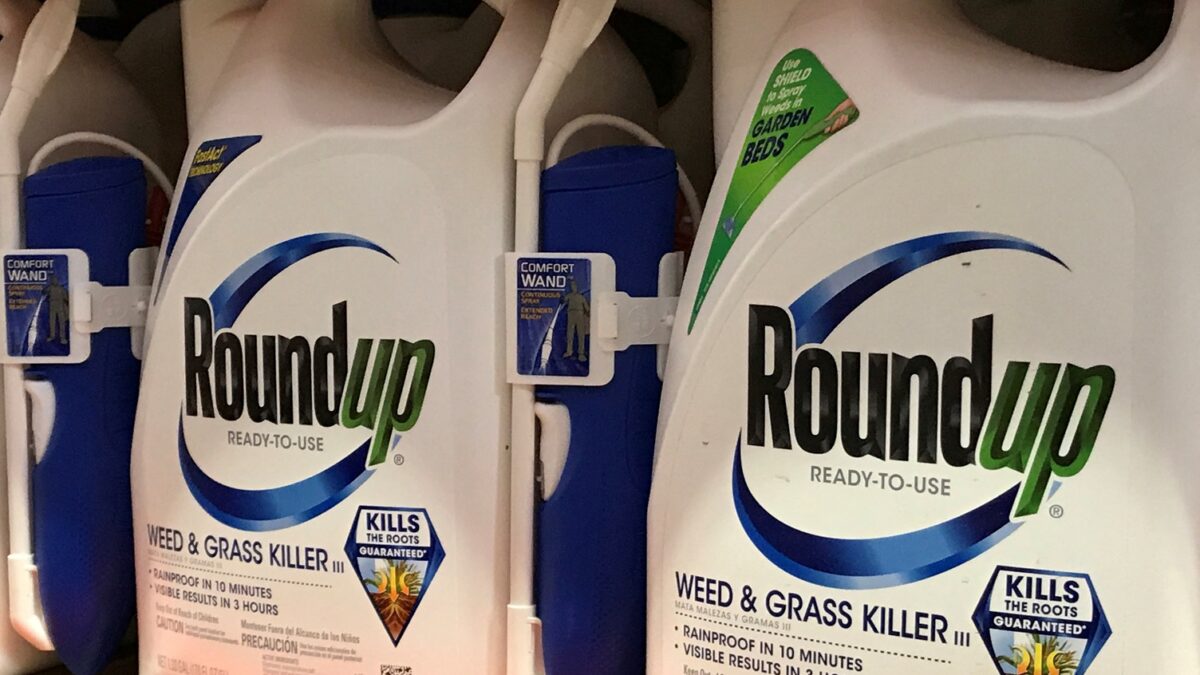
Monsanto Co's Roundup is shown for sale in Encinitas, California, on June 26, 2017. (REUTERS/Mike Blake/File Photo)
Bayer fuels break-up talk as Roundup placed in separate business


 Listen to this article
Bayer said on Thursday it was consolidating its U.S. Roundup business in a new unit, less than a week after scoring a major legal victory that blocked thousands of state-court lawsuits related to the weedkiller.
The creation of the unit, Ruveon, is fuelling investor hopes that the German group could move closer to structural changes, including spin-offs or divestments, long sought by some shareholders.
Markus Manns of Bayer shareholder Union Investment said the move gave Bayer “the strategic flexibility to float” the business on the U.S. market in the medium term and possibly retain a majority stake initially.
“The establishment of Ruveon in the U.S. could be the first step in this direction,” he said.
Berenberg analyst Sebastian Bray and Stefan Wulf at brokerage ODDO BHF both said the decision could prompt speculation of a separation of Bayer’s agricultural assets.
Bayer said Ruveon will remain a Bayer business and oversee all aspects of U.S. sales of Roundup, including pricing, production and logistics.
Bayer bought Roundup as part of its $63 billion purchase of agrochemical company Monsanto in 2018, which became a major liability due to lawsuits accusing Bayer of failing to warn users that Roundup’s active ingredient glyphosate causes cancer.
Shares in Bayer rose as much as 7.1% to their highest level since August 2023. They were also supported by a Deutsche Bank upgrade, with the bank saying a breakup of Bayer’s portfolio was “a question of when and how, rather than if”.
Bayer, the only U.S. maker of glyphosate, has said that decades of studies have shown the key Roundup ingredient is safe and does not cause cancer.
Last week, the Supreme Court sided with Bayer in its bid to limit the legal fallout in a case that is part of years-long litigation over the product.
“Ruveon is expected to be a more nimble and well-positioned player within its commodity-based market, which requires a specialized approach to address competitive dynamics,” Bayer said in a statement.
The company added that the consolidation of the business was part of its Crop Science division’s five-year plan to drive growth, resilience and profitability.
(Reporting for Reuters by Ozan Ergenay in Gdansk, Bipasha Dey in Bengaluru, Thomas Seythal in Berlin and Patricia Weiss in Frankfurt, writing by Christoph Steitz; editing by Sherry Jacob-Phillips, Louise Heavens and Alexander Smith).